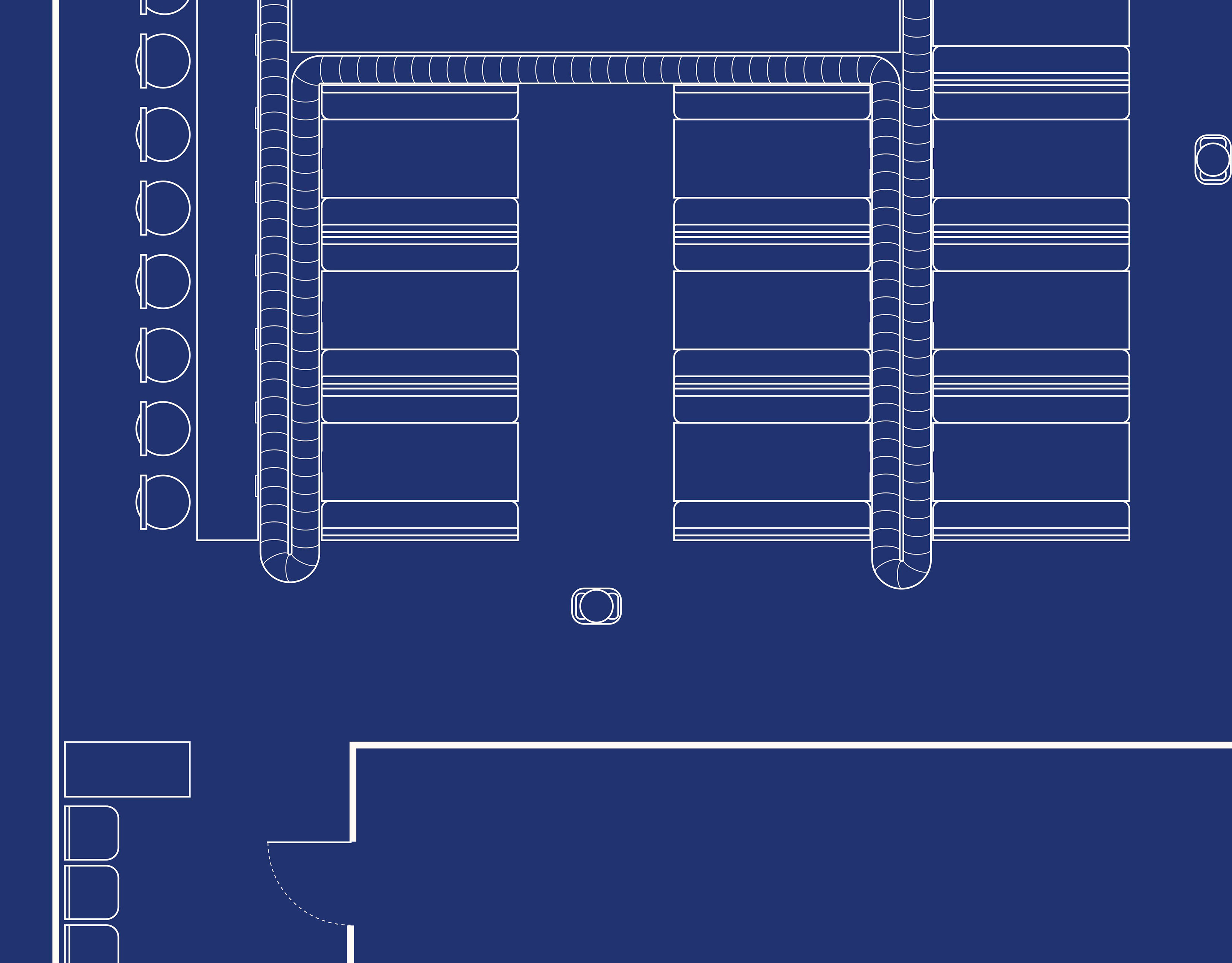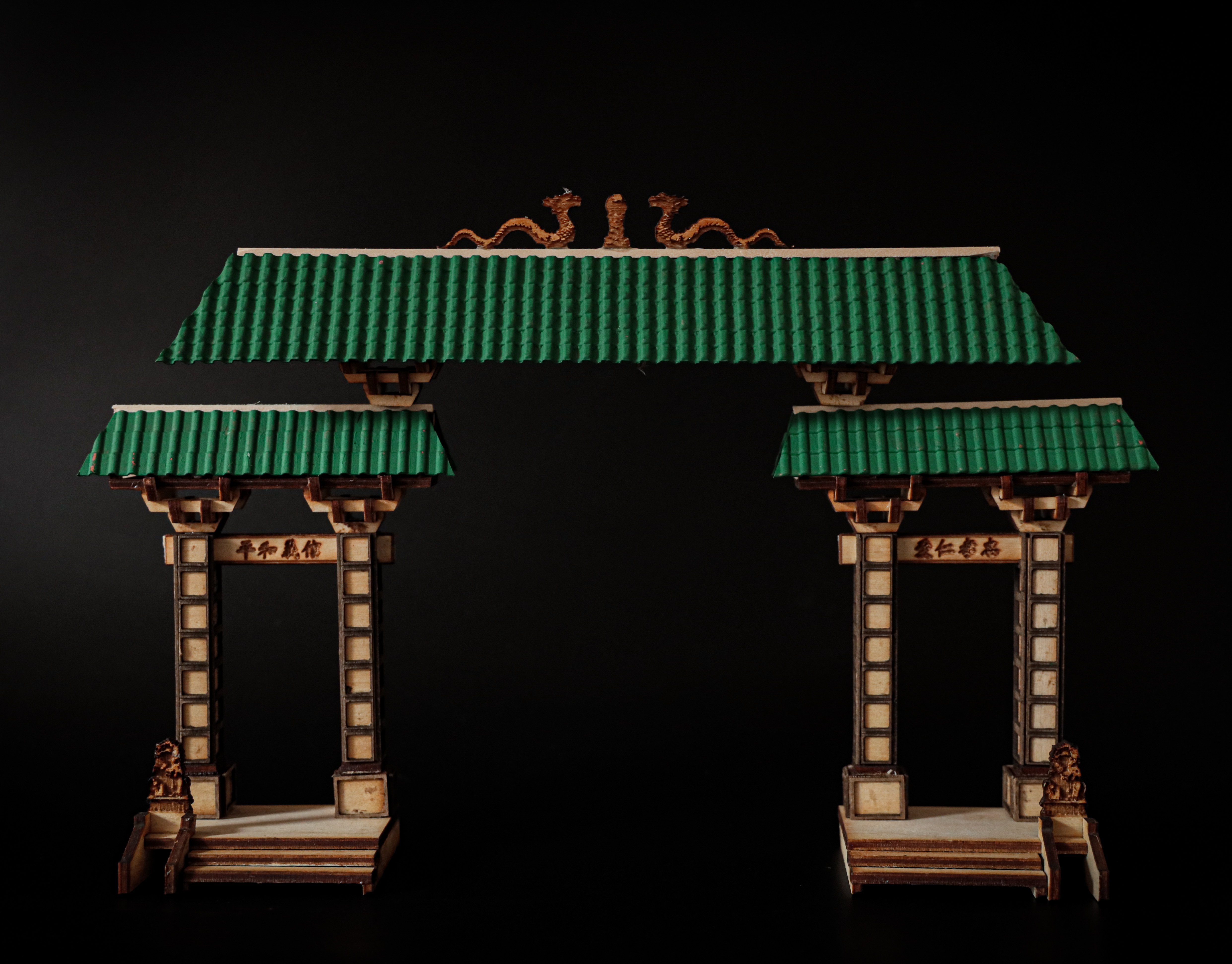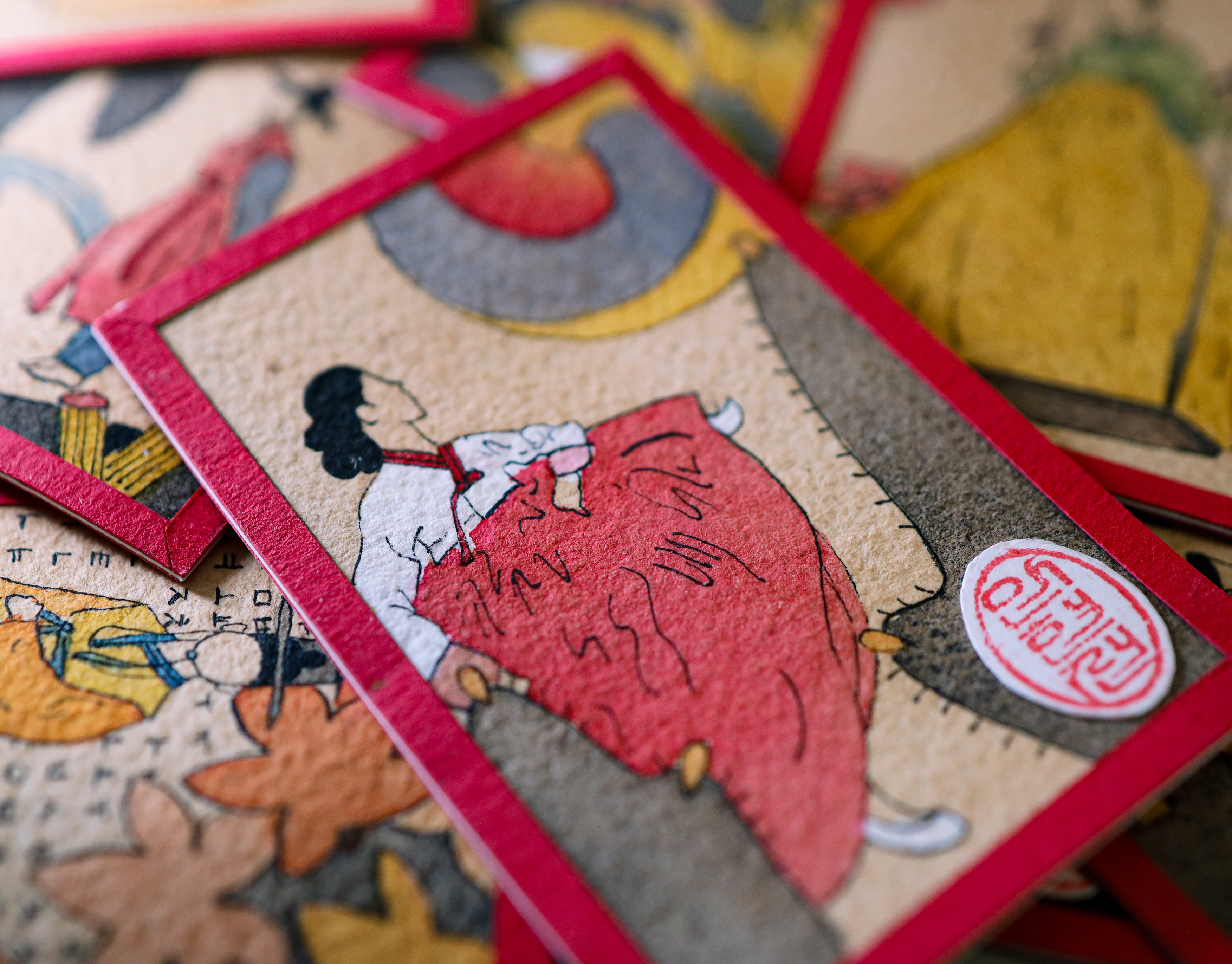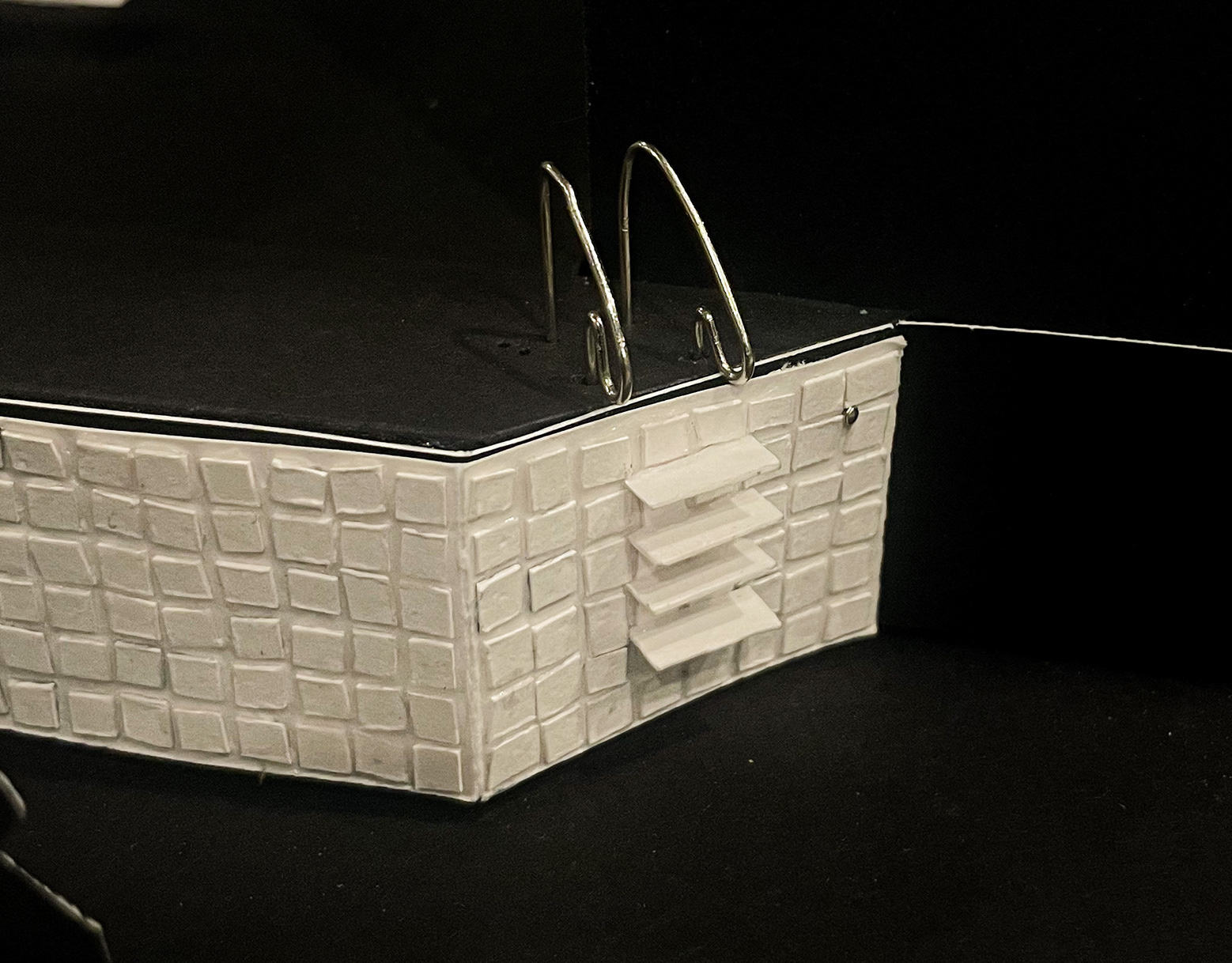
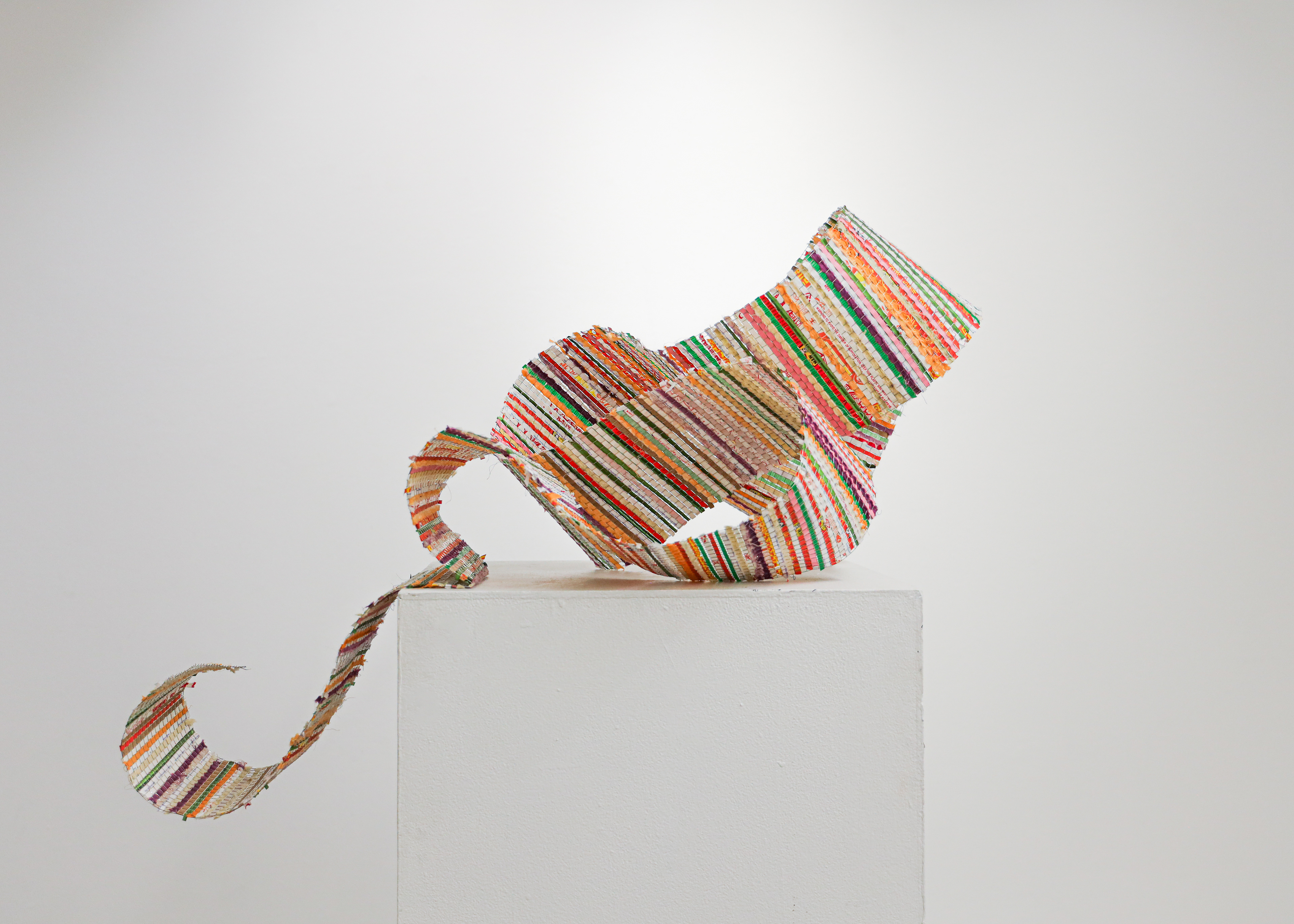
Whereas Welcome and Sit orient viewers towards a specific visual direction and reading based on recognizability (Welcome is a set of front-facing models of Chinatown welcome gates, Sit is a series of ground plans from an aerial perspective), the concluding piece, Enjoy, takes on an obscure shape that can be viewed from any angle and is made of an indeterminate, textile-like material. Here, abstraction invites viewers towards a more physically and intellectually involved encounter with the sculpture’s elements: zodiac placemats, chopstick sleeves, fortune cookie slips, takeout boxes, pink donut boxes, thank you bags, plastic sushi grass, and muslin dyed in matcha, ube, and Thai tea all cut into strips and woven into a 10’ long roll of steel mesh.
The weaving of the sculpture itself does not adhere to a pattern. Instead, the specificity and referability of the materials and their strategically randomized proximities expose patterns about their cultural formations and implications, rendering the sculpture a cultural mnemonic. That is to say, Enjoy, rather than being incongruent with the rest of the project, actually relies on the same strategies of re-presenting existing elements of Asian American foodscapes so as to cultivate historiographic curiosity, critical analysis, and personal reflection. For example, several materials have murky or highly distorted histories (unclear origins, significant adaptation and fabrication) despite being culturally iconic. Far from happenstance, this reflects the disputed desirability of the Asian body in America: first demanded, then denounced, and continually dominated. Many more patterns exist: paper placemats that illustrate the Chinese zodiac system, instructional drawings printed onto chopstick sleeves, and Chinese vocabulary lessons dispersed on fortune cookie slips all have a didactic function; takeout boxes and thank you bags both signal indebtedness and servility; and the popularization of matcha and ube have both resulted in a dissociation from their cultural contexts.
Coherent with the form of the object itself, the remainder of this section provides brief, segmented description on the featured materials to guide viewers’ engagement with abstraction:
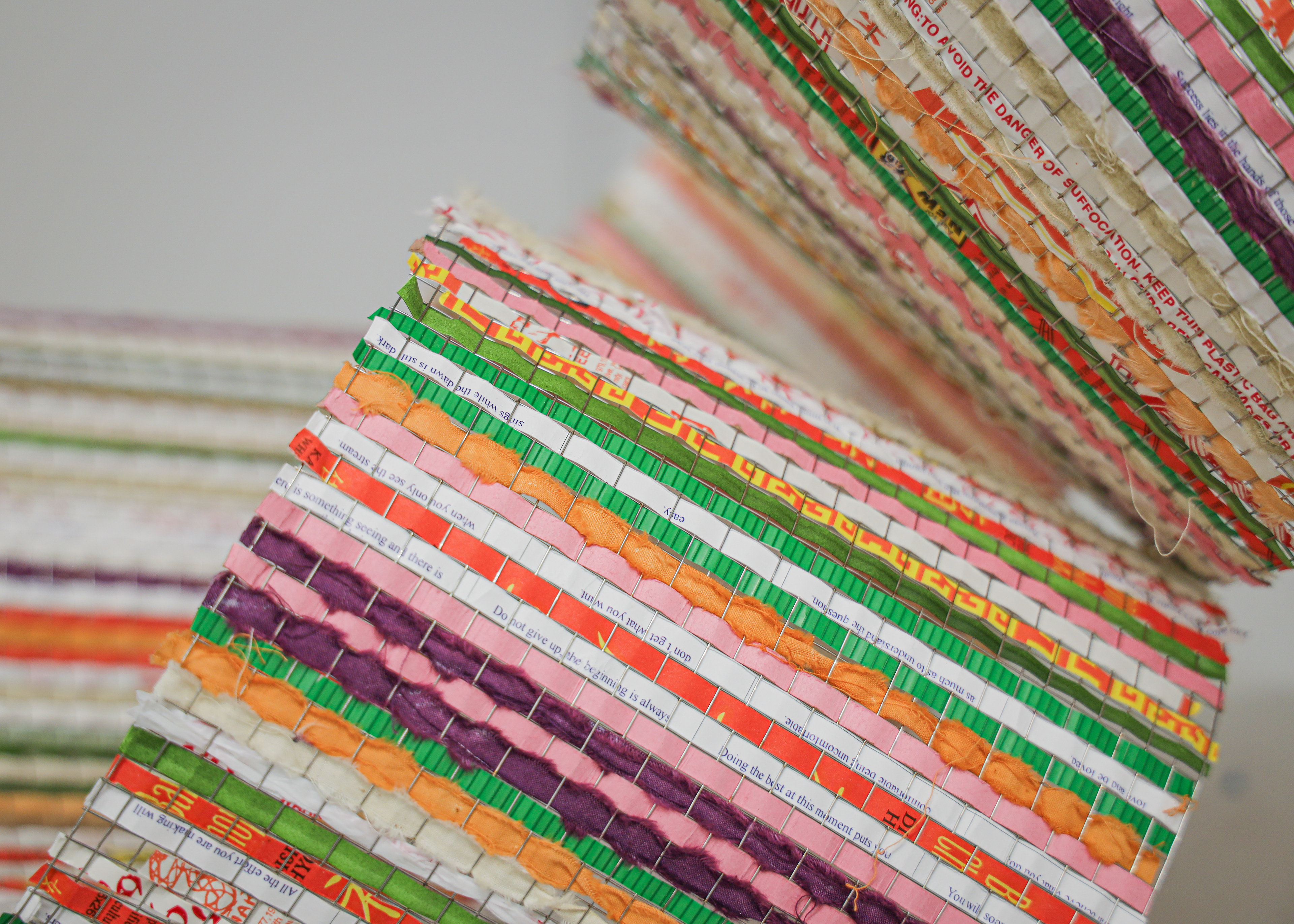
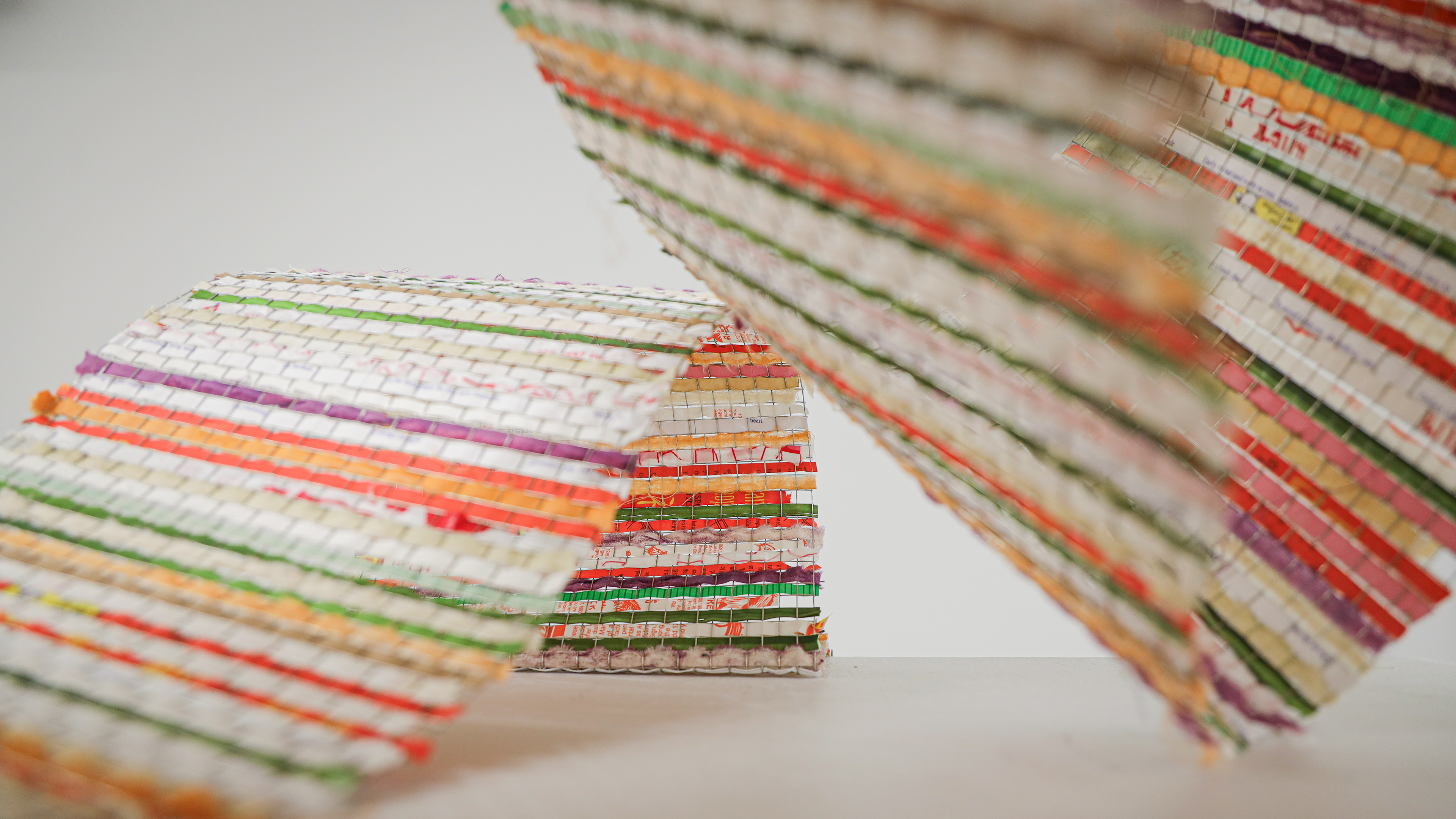
Upon being seated at a Chinese American restaurant, it is virtually guaranteed that diners will see a paper placemat that illustrates the Chinese zodiac system. The origins of the design, adopted by Chinese American restaurateurs in the late 20th century, are unknown but have served as a concise and entertaining way for diners to interface with Chinese culture:
The paper chopstick sleeves provided by Asian American restaurants today evoke both the Japanese tradition of hashibukuro (箸袋) as well as chopstick use illustrations from early American newsprints. At the turn of the 20th century, fine fabric wrappings from the Heian period (8th–12th century) turned into paper sleeves in conjunction with the rise of disposable chopsticks. In the states, these sleeves became the opportune surface upon which to print the three-step instructional drawings first seen in 1890 but fervently reproduced by various media outlets during the 1970’s.
Fortune cookies have become a linchpin of the Chinese dining experience in America. Yet, the dessert concept was actually introduced to the country by Japanese immigrants. Encountering difficulty opening and operating Japanese restaurants, they opened Chinese restaurants, where they served the Japanese confectionary tradition called tsujiura senbei (辻占煎餅). As the cookies became beloved among American diners — and particularly when Japanese Americans were forcibly relocated and incarcerated during World War II — they became co-opted by Chinese American restaurateurs, who appealed to a White consumer base by replacing sesame and miso flavoring with vanilla, Japanese omikuji (おみくじ) with Chinese aphorisms translated to English.
The iconic Chinese takeout box is actually an iteration of Frederick Weeks Wilcox’s paper pail, a late 19th century, origami-inspired invention intended to be an inexpensive and disposable version of the wooden receptacles used to transport raw oysters. The introduction of Wilcox’s device happened to coincide with the rise of Chinese food in America, but the designer behind the imperative and unmistakable pagoda print that was added later is unknown.
Ted Ngoy fled Cambodia for the United States in 1975 when the communist regime the Khmer Rouge came to power. He found monumental success opening donut shops in the Los Angeles area and distributed these businesses to subsequent refugees from his homeland such that by 2004, 90% of California donut shops were Cambodian-owned and -operated. Pink boxes — originally a means of lowering expenses among these Cambodian business owners — are now ubiquitous among and requisite to donut shops along the West coast.
The now-iconic plastic bags dispersed by Asian American businesses across the country (but especially in New York) employ vibrant colors, smiley faces, flowers, and expressions of gratitude to signal friendliness as a way of combating anti-Asian racism. The prolonged life of this single-use “commercial ephemera” is also an exemplar of immigrant thrift.
Plastic grass used to decorate sushi platters today are derivatives of the natural leaves — called haran/baran (はらん) — used to separate, preserve, and slow the bacterial growth of sushi through the antimicrobial phytoncides that are released when cut. Unlike the standardized uniformity associated with the plastic product today, haran/baran is traditionally the product of sasagiri (ささりぎ), the intricate craft of leaf-carving.
Matcha has been a cherished ceremonial tradition in Japan since the Song Dynasty (10th-13th century). During the mid-2010’s, it rose to popularity for its many health-related benefits among health-conscious American consumers, its distinct color appearing not just in tea but also in smoothies, desserts, cocktails, etc. Food studies scholar Nick Dreher points out that this demonstrates a form of cultural food colonialism distinct from what was first articulated by Lisa Heldke. Rather than positioning matcha as hailing from epistemological, ontological, and temporal foreignness (as done repeatedly by food adventurers with other ethnic foods), health-conscious matcha lovers divorced the green powder from its cultural significance, thereby asserting ownership and authority over it.
Although ube has long been a staple ingredient in Filipino cuisine, its eye-catching purple hue experienced social media “discovery” and virality in the early 2020’s. Similarly to matcha, it has been severed from its context in its emergence as the latest “trend” used in baked goods, coffee drinks, etc.
The vibrantly orange, heavily spiced, and abundantly sweetened drink by the name of “Thai iced tea” is, in fact, a substantial departure from the beverage enjoyed in Thailand. Both its color and flavor profile are exaggerations implemented by Thai American chefs to appeal to White American sensibilities.
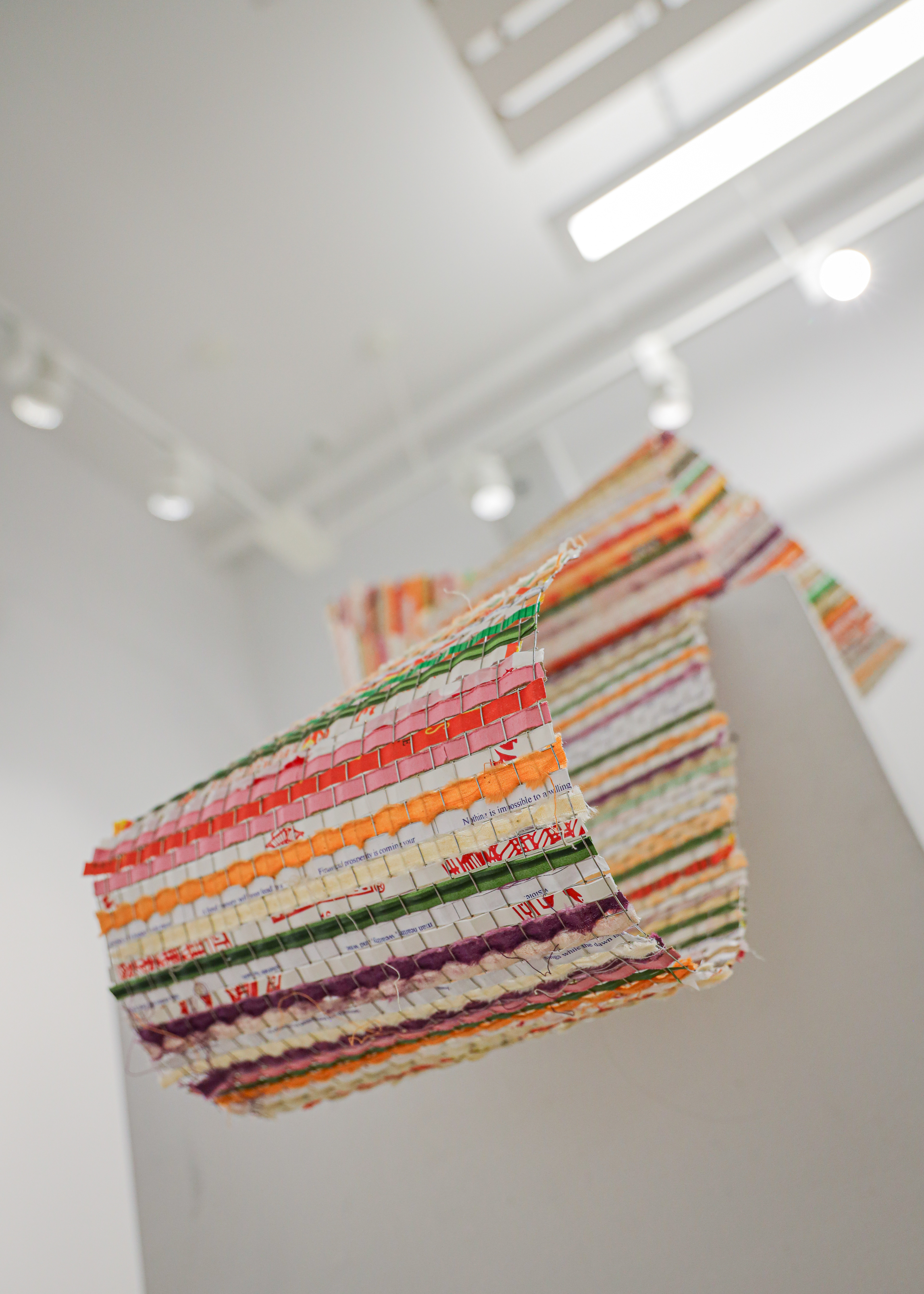
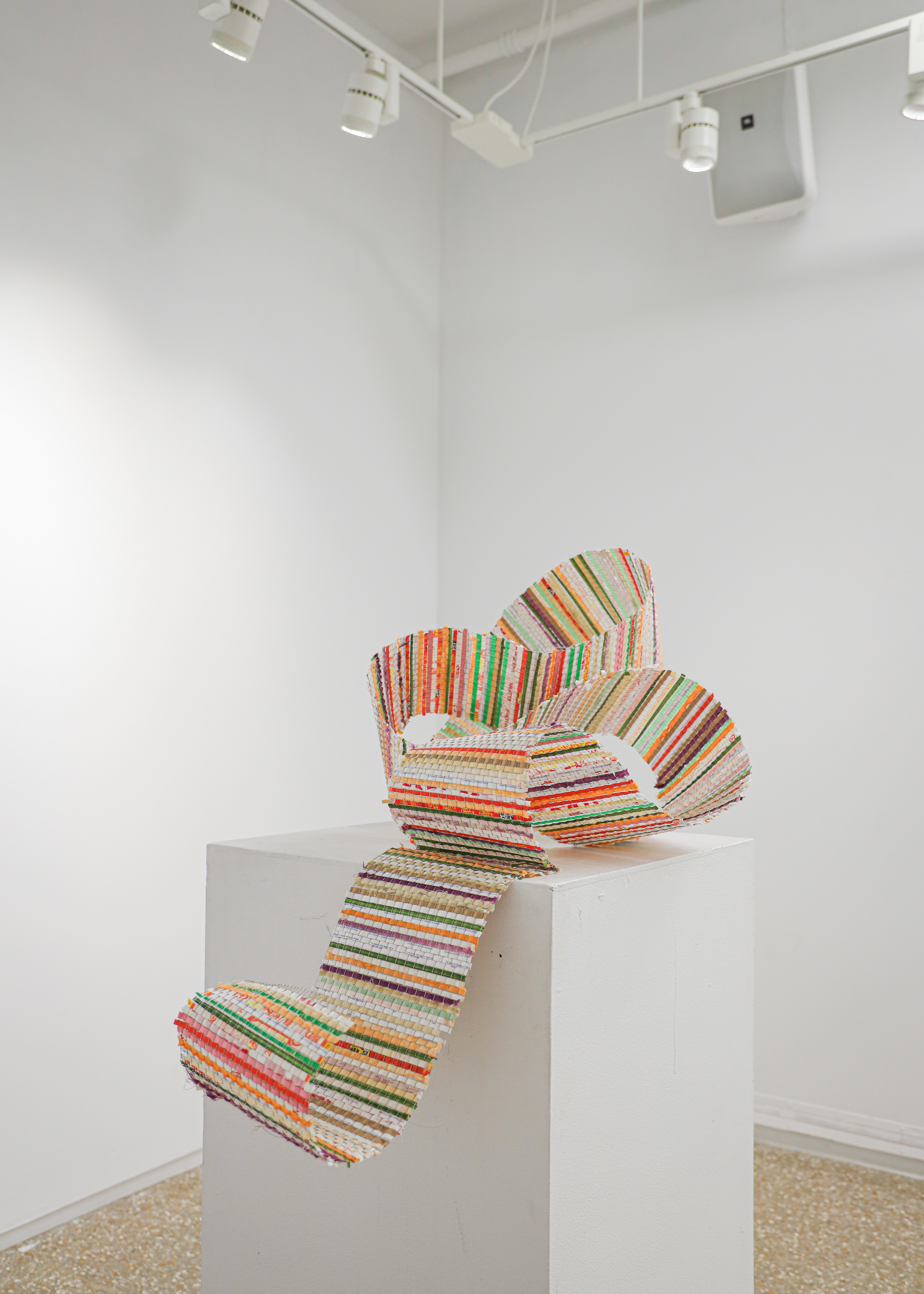
Evidently, the more intimately one engages with the historical context of the components of Enjoy, the more fraught the narrative becomes, and this is even true of the materiality itself. The object entices with vibrant colors and curious form, but closer observation reveals the tensile, industrial, and even dangerous steel mesh warp. I myself amassed several scratches and bleeds in the process of weaving the strips into the grid. This disjuncture between superficial delight and systemic detriment is integral to understanding both the charged emergence of the individual materials and their collective communication of Asian American identity’s simultaneous positioning as highly consumable yet extensively moderated.
More in Visual Design